It was just a few days ago that the HTC Desire 200 was leaked on the internet through a video posted by a Vietnamese website and now the Taiwanese smartphone manufacturer is making the phone official.


Just like in the video the smartphone will sport a 3.5-inch LCD screen with a resolution of 320 x 480 pixels. The phone will have a pixel density of 165 pixels per inch and will sport Beats Audio sound enhancement.
The HTC Desire 200 will pack a Qualcomm Snapdragon S1 chipset with a single-core 1GHz CPU and 512MB of RAM. The internal memory is set at 4GB which also supports expansion via a microSD card slot. At the back of the device is a 5MP camera with a f/2.8 fixed focus camera with a 34mm lens that supports video recording.


The device will be powered by a removable 1230mAh battery, and will have 802.11 b/g/n, Bluetooth v4.0, microUSB and GPS. There’s also an accelerometer, proximity sensor and an ambient light sensor. Pricing and availability is yet to be disclosed.


Talks about a Facebook phone has been in the rumor mills for quite some time now. Today, Facebook has finally ended all the speculations by announcing the long awaited Facebook phone (well, sort of) at an event on its headquarters in California.


However, the Facebook phone that was unveiled in the event wasn’t exactly the phone that everyone was expecting. Why? Because unlike what the rumors suggested, the phone that was presented to the world today wasn’t built by Facebook. The phone is made by HTC and runs a heavily customized version of Android – the “Facebook Home”.

Moreover, contrary to previous reports, Facebook Home is not just a home replacement app but rather a collection of apps that modify a huge part of the Android UI that will supposedly enable users to focus on their friends rather than on apps. Through the app, Facebook plans to bring in more content to users and put social networking at the front and at the center of the mobile phone experience. And this ideology is most evident in the two core apps that comprise Facebook Home – Coverfeed and Chat Heads.


Coverfeed is basically a glorified version of your Facebook newsfeed presented in edge-to-edge photos in the phone’s home screen. It displays images and status updates from a user’s friends. A user can swipe left and right to view other updates from his/her friends, double-tap on the home screen to like the update or view comments and likes by tapping the area located at the bottom of the home screen.

Chat Heads on the other hand is an improved version of the Facebook Messenger app that sits above the entire UI of the phone, allowing users to gain access to the phone’s messaging app anywhere in the phone. Users have the option to move 1 or a group of chat heads across the different edges of the screen and will remain visible as long as the users wants to interact with it.

Navigation on the Facebook Home has also drastically changed. The common back and navigation buttons are gone and are replaced by gesture-based commands carried out by a “bobble” which is the circular icon that contains the phone owner’s photo (or profile picture) located at the bottom of the screen. Users can swipe up from the bobble which will launch the app drawer.


The app drawer is divided into two segments. Once a user swipe’s up from the bobble, the favorites app drawer is first shown. Obviously this is where the user’s most used and favorite apps are located. The favorites app drawer also has three tabs at the top that lets users instantly upload photos to Facebook, post a status update or location. Swiping to the left of the favorites app drawer will direct the user to the main app drawer that holds all the apps currently installed on the phone.

Swiping the bobble to the left will launch the Facebook messaging app while swiping the bobble to the right will allow users to go back to the last app that they’ve opened.

Facebook Home will initially be released on April 12 on several handsets including the HTC One, HTC One X+, Samsung Galaxy SIII, Samsung Galaxy S4, Samsung Galaxy Note II and of course the HTC First (exclusive to AT&T). Facebook has also promised to bring monthly updates and improvement to the app as well as add support for additional phone models and manufacturers including Lenovo, ZTE, Huawei and Sony.

Now it would be interesting how Google would react in the future with Facebook Home especially if Mark Zuckerberg’s dream of putting the app in every smartphone would come true. This is because unlike other home replacement apps or custom ROMs, Facebook Home can have the ability to literally take over and change a phone and make Android OS lose its identity in the process.

What about you guys? What do you think? Is Facebook invading Android? And how do you think Google would react to this strategy? Share with us your thoughts by leaving a comment below. For other Filipino Lifestyle stories, do subscribe to our blog or add us up on Facebook, Twitter                , Pinterest or Google Plus.


Hello everyone, after a month of hiatus, Tech Tuesdays on TFL is back to give you the latest and trendiest tech topics in the face of the internet. And this week, we’ll be talking about two of the hottest and most talked about smartphones today – the HTC One and the recently announced Samsung Galaxy S4.

Both phones aren’t officially available in the global market yet, but both the HTC One and the Galaxy S4 have been pitted against each other numerous time on various websites, blogs and of course in social networking sites. So this week, let’s take a closer look at these two super phones so that we’ll have an idea on what each handset provides to us consumers.


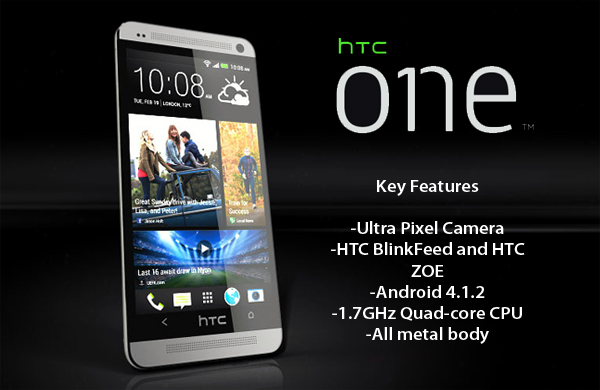
The HTC One is barely a month old since its launch last February and yet a lot of people are already considering it as one of the best smartphones released this year. And this is not that surprising as HTC has delivered a phone that is not only pleasing to look at but is also jam packed with features and software that leaves (most of)its competition in the dust.

In the display department, the One features a 4.7-inch Super LCD3 capacitive touchscreen with a screen resolution of 1080 x 1920 pixels and a pixel density of 469 pixels per inch. The screen is protected by Corning’s Gorilla Glass panel technology.


In terms of performance, the HTC One runs on Android 4.1.2 Jelly Bean and is powered by a Qualcomm APQ8064T Snapdragon 600 chipset with a 1.7GHz quad-core processor with Adreno 320 GPU. There’s 2GB of RAM and 32GB or 64GB worth of on-board storage.

However, the HTC One’s crowning glory comes from the camera department. In contrast with other manufacturers who try to outdo each other by putting a camera with the most pixel in their devices, HTC is trying to set their own bar by using a camera with “ultrapixels”. Basically the camera sensor in the device can gather 300 percent more light than most conventional cameras and yet retain the size of 4MP sensor.


A few other cool things to note about the HTC One are the numerous features that the company has incorporated into the handset by means of its HTC Sense 5. These include the HTC Blinkfeed, a news and social media aggregator that is shown on the phone’s home screen, HTC Zoe which makes use of the device’s camera to create a rich multimedia experience, and lastly HTC BoomSound that utilizes the two front-facing speakers to deliver true stereo audio for an immersive audio experience.


Another smartphone heavy weight to make its grand entrance this quarter is the Samsung Galaxy S4. The phone made its debut at the company’s “Unpacked” event in NYC last week. And although a lot of people were sort of disappointed with the lack of innovation in terms of design, Samsung still managed to get a hype out of the event and out of the phone.

For starters, the S4 packs some serious muscle power with its Exynos 5 Octa chipset that features two quad-core processors clocked at 1.6GHz and 1.2GHz respectively and a PowerVR SGX 544MP3 GPU. It also has 2GB of RAM and will come in 16GB, 32GB and 64GB variants. The display on the S4 is a 5-inch 1080p Super AMOLED capacitive touchscreen with Gorilla Glass 3 panel.

The Galaxy S4 has a 13-megapixel rear camera and a 2MP camera at the front, both of which are capable of capturing 1080p videos at 30 fps. And just like the HTC One, The Galaxy S4 features a number of nifty software and apps that maximizes the use of its hardware.


These include dual camera recording which allows the phone to use both front and rear cameras at the same time to record videos. There’s also a host of other camera functions such as Sound & Shoot that lets users record five seconds of audio before taking a shot and the Drama shot function which allows the phone to take more than 100 shots in four seconds so that the user can select the best captured images to composite in a single frame.

An eraser function (anti-photo bomb feature) is also present to acts similarly with the Drama shot but allows users to remove any unwanted elements in a photo. Furthermore, Samsung has tossed in a few other apps including a host of “S” apps such as Samsung’s health-oriented app – the S health.


Other notable features include the Group Play which allows users to use multiple phones as stereo speakers in sync, Samsung Home Sync and Smart Switch for seamless data transfer among other NFC enabled devices, Samsung Knox for BYOD (Bring You Own Device) users who want to compartmentalize their phone’s content into personal and work and of course the much talked about Smart Scroll and Smart Pause features that uses eye-tracking technology.

Both phones sport LTE Cat 3, and the usual mix of Superphone basics including Wi-Fi 802.11 a/ac/b/g/n, Bluetooth 4.0, accelerometer, gyro and proximity sensors, compass and HTML5 support to name a few.

So there you have it everyone. Which super phone do you think is the better – The HTC One or the Samsung Galaxy S4? Share with us your thoughts by leaving a comment below. You can also find us on Facebook, Twitter, Pintrest and Google Plus. And please, don’t forget to subscribe to our blog for more Filipino lifestyle stories. 


The phablet is the newest trend that is now gaining momentum in the mobile phone industry. And as with other trends in history, a lot of people are jumping into the bandwagon to get themselves in the “in and trendy” crowd. And in response to this growing fascination with supersized phones, many of the biggest brands in the industry is coming up with their own version of the phablet.

In this week’s Tech Tuesdays on TFL, we take a look at the newest players in the Phablet industry that are set to compete with the industry’s standard – the Samsung Galaxy Note 2.

HTC Butterfly


Display Type Super LCD3 capacitive touchscreen, 16M colors
Display Size 1080 x 1920 pixels, 5.0 inches (~441 ppi pixel density)
Protection Corning Gorilla Glass 2
SOUND - Beats Audio sound enhancement
Card slot microSD, up to 32 GB
Internal 16 GB (11 GB user available) storage, 2 GB RAM
WLAN Wi-Fi 802.11 a/b/g/n, Wi-Fi Direct, DLNA, Wi-Fi hotspot
Bluetooth Yes, v4.0 with A2DP
NFC and USB Yes
Primary Camera 8 MP, 3264x2448 pixels, autofocus, LED flash
Primary Camera Features Simultaneous HD video and image recording, geo-tagging, face and smile detection
Video Yes, 1080p@30fps, stereo sound rec., video stabilization
Secondary Camera Yes, 2.1 MP, 1080p@30fps
Operating System Android OS, v4.1 (Jelly Bean), upgradable to v4.2 (Jelly Bean)
Processor Quad-core 1.5 GHz Krait
Graphics Adreno 320


Huawei Ascend Mate


Display Type IPS+ LCD capacitive touchscreen, 16M colors
Display Size 720 x 1280 pixels, 6.1 inches (~241 ppi pixel density)
Multitouch Yes
Protection Corning Gorilla Glass
SOUND - Dolby mobile sound enhancement
Card slot Yes, up to 32 GB
Internal 2 GB RAM
WLAN Wi-Fi 802.11 a/b/g/n, dual-band, Wi-Fi Direct, DLNA, Wi-Fi hotspot
Bluetooth and USB Yes, v4.0 with A2DP, LE, EDR
Primary Camera 8 MP, 3264x2448 pixels, autofocus, LED flash
Primary Camera Features Geo-tagging, face detection, HDR
Video Yes, 1080p@30fps
Secondary Camera Yes, 1 MP, 720p@30fps
Operating System Android OS, v4.1 (Jelly Bean)
Chipset Huawei K3V2
Processor Quad-core 1.5 GHz


ZTE Grand S


Display Type Capacitive touchscreen, 16M colors
Display Size 1080 x 1920 pixels, 5.0 inches (~441 ppi pixel density)
Multitouch Yes
Card slot microSD, up to 32 GB
Internal 16 GB storage, 2 GB RAM
WLAN Wi-Fi 802.11 a/b/g/n, dual-band, DLNA, Wi-Fi hotspot
Bluetooth and USB Yes
Primary Camera 13 MP, autofocus, LED flash
Primary Camera Features Geo-tagging, touch focus, face detection
Video Yes, 1080p@30fps
Secondary Camera Yes, 2 MP, 1080p@30fps
Operating System Android OS, v4.1 (Jelly Bean)
Processor Quad-core 1.7 GHz


Sony Xperia Z


Display Type TFT capacitive touchscreen, 16M colors
Display Size 1080 x 1920 pixels, 5.0 inches (~441 ppi pixel density)
Multitouch Yes, up to 10 fingers
Protection Shatter proof and scratch-resistant glass with Sony Mobile Bravia Engine 2
Card slot microSD, up to 64 GB
Internal 16 GB, 2 GB RAM
WLAN Wi-Fi 802.11 a/b/g/n, dual-band, Wi-Fi Direct, DLNA, Wi-Fi hotspot
Bluetooth and USB Yes
Primary Camera 13 MP, 4128x3096 pixels, autofocus, LED flash
Primary Camera Features Geo-tagging, touch focus, face detection, image stabilization, HDR, sweep panorama
Video Yes, 1080p@30fps, continuous autofocus, video light, video stabilizer
Secondary Camera Yes, 2 MP, 1080p@30fps
Operating System Android OS, v4.1.2 (Jelly Bean), planned upgrade to v4.2 (Jelly Bean)
Chipset Qualcomm MDM9215M / APQ8064
Processor Quad-core 1.5 GHz Krait


LG Optimus Vu


Type HD-IPS LCD capacitive touchscreen, 16M colors
Size 768 x 1024 pixels, 5.0 inches (~256 ppi pixel density)
Multitouch Yes
SOUND - Dolby mobile sound enhancement
Card slot No
Internal 32 GB storage, 1 GB RAM
WLAN Wi-Fi 802.11 b/g/n, Wi-Fi Direct, DLNA, Wi-Fi hotspot
Bluetooth and USB Yes with NFC
Primary Camera 8 MP, 3264x2448 pixels, autofocus, LED flash
Primary Camera Features Geo-tagging, face detection, image stabilization
Video Yes, 1080p@30fps, LED video light
Secondary Camera Yes, 1.3 MP
Operating System Android OS, v4.0.4 (Ice Cream Sandwich)
Chipset Nvidia Tegra 3
Processor Quad-core 1.5 GHz


Lenovo K900


Type IPS LCD capacitive touchscreen, 16M colors
Size 1080 x 1920 pixels, 5.5 inches (~401 ppi pixel density)
Multitouch Yes
Protection Corning Gorilla Glass 2
Card slot microSD, up to 32 GB
Internal 2 GB RAM
WLAN Wi-Fi 802.11 a/b/g/n, dual band, Wi-Fi hotspot
Bluetooth and USB Yes
Primary Camera 13 MP, autofocus, dual-LED flash
Primary Camera Features Geo-tagging, touch focus, face detection
Video Yes, 1080p@30fps
Secondary Camera Yes, 2 MP
Operating System Android OS, v4.2 (Jelly Bean)
Chipset Intel Atom Z2580
Processor Dual-core 1. 8 GHz


Cherry Mobile Titan


Type Capacitive Touch screen,
Size 5.0-inch, WVGA (800 x 480 pixels) ~ 187ppi
Multitouch 5-point multi-touch feature
Card slot microSD up to 32GB
Internal 4GB of internal storage
WLAN Yes
Bluetooth and USB YEs
Primary Camera 5MP auto-focus camera
Primary Camera Features dual LED flash
Video 720p HD video recording
Secondary Camera VGA Camera
Operating System Android 4.0.4 (Ice Cream Sandwich)
Chipset MediaTek MT6577
Processor 1GHz dual-core processor, ARMv7


MyPhone A919


Source


Type IPS LCD Capacitive Touch screen, 16M colors
Size 5.0-inch, (~196 ppi pixel density), 480 x 854 pixels
Card slot microSD up to 32GB
Internal 4GB of internal storage
WLAN Yes
Bluetooth and USB YEs
Primary Camera 8 MegaPixels, 3264x2448 pixels
Primary Camera Features autofocus and LED flash
Video 720p HD video recording
Secondary Camera VGA camera
Operating System Android 4.0.4 (Ice Cream Sandwich)
Chipset MediaTek MT6577
Processor 1 GHz Dual Core

So which phablet are you eyeing for? Tell us by leaving a comment below. You can also add us up on Facebook, Twitter, Pinterest and Google Plus, or subscribe to our blog using our RSS Feeds.


HTC has finally put its hand in the arena of the Phablets with the HTC Droid DNA and the recently announced HTC Buttefly. It seems that the Taiwanese manufacturer is ready to go head to head with the rest of the 5-inchers in the market today like the Samsung Galaxy Note 2 and the LG Optimus Vu.

The HTC Buttefly is practically the GSM version of the HTC Droid DNA and offers almost identical specs with the CDMA phone from Verizon. For starters, the Butterfly packs a 5.0-inch LCD3 capacitive touchscreen with a resolution of 1080x1920 pixels and a pixel density of approximately 441 ppi which is protected by a layer of Corning’s Gorilla Glass 2.


The Butterfly is powered by a 1.5 GHz Krait Quad core processor with an Adreno 320 GPU. It will run on Android 4.1 Jellybean and will have 16 GB of storage (11 GB user available) and 2 GB or RAM.

Connectivity on the other hand is your typical smartphone full house with Wi-Fi 802.11 a/b/g/n, Wi-Fi Direct, DLNA, Bluetooth and Wi-Fi hotspot. Connectivity speeds are available in HSPA+ and up to LTE speeds. The camera of the Butterfly has an 8MP image sensor, capable of capturing images with a maximum resolution of 3264x2448 pixels. The rear facing camera will also have autofocus, LED flash, and will be capable of recording simulataneous HD video and image recording, geo tagging, and face & smile detection.


There is also a 2.1 MP front facing camera that will enable users to make video calls with the quality of the video at a resolution of 1080p at 30fps. On the other hand, video recording on the rear camera is around 1080p at 30fps, with stereo sound recording and video stabilization.

Last but definitely not the least, the HTC Butterfly will feature a built-in accelerometer, gyro sensor, proximity sensor and compass. There’s also A-GPS support and GLONASS, HTML5 support for the mobile browser, TV-out and 25 GB worth of Dropbox storage.


Taiwanese smartphone manufacturer HTC has just welcomed two of the newest members of its Windows Phone family. Directly opposite the HTC One X and One S from the company’s Android lineup are the HTC Windows Phone 8X and 8S. The company has been in the fore front of the Windows Phone race with the company representing over half of all the WP7 phones in the past two years or so.


And even though Microsoft is now favoring Nokia over other manufacturers when it comes to the use and development of the Windows Phone operating system, HTC hopes to still retain its fan base with the arrival of the 8X and the 8S. And with the announcement of the Nokia Lumia 920 and 820, the stakes are now even higher for HTC to attract more consumers to buy their handsets. But are the features 8X and 8S enough to win over Windows Phone fans from Nokia’s camp or even Android and Apple fans?

Here’s a quick overview of the features and design of the two WP8 devices from HTC.

HTC WINDOWS PHONE 8S

The 8S is the WP8 equivalent of the HTC One S Android smartphone. The phone has a two-toned body around 10.3mm thin with a 4.0-inch S-LCD capacitive display protected by Corning’s Gorilla Glass. It has an internal memory of 4GB and 512MB of RAM.


It has Wi-Fi 802.11 b/g/n and v2.1 Bluetooth. The 8S is powered by dual-core 1GHz Krait processor on a Qualcomm Snapdragon S4 chipset. The S-LCD screen is able to produce around 16M colors with a pixel density of 233 pixels per inch. The phone has a rear facing camera able to capture images at 5MP resolution and video at 720pixels at a rate of 30 frames per second. The camera is equipped with autofocus functionality, geo-tagging, touch focus and face detection plus a LED flash for taking pictures in low light conditions.

Furthermore, the phone has an Adreno 225 dedicated graphics processor, an accelerometer and a proximity sensor.  It also has A-GPS support and GLONASS as well has HTML5 native support for browsing. Just like the iPhone and the Lumias, the 8S will support MicroSIM cards only.


The device will be powered by 1700mAh Li-ion battery and will come in a variety of colors including: domino, fiesta red, atlantic blue and high-rise gray. HTC has also brought the Beats audio sound enhancement feature on board the WP8 phones so no more Beats-envy for WP8 users. J

HTC WINDOWS PHONE 8X

Just like the 8S is for the One S, the 8X is of course the WP8 counterpart of the HTC One X. Unlike the 8S, the 8X has a unibody design and has a thinner profile at 10.1mm and a larger screen at 4.3 inches. This phone also has a higher screen resolution set at 720x1280 pixels compared to the 480x800 pixel resolution of the 8S.


It also has an improved GPU, an Adreno 225 to be specific. And on top of that, it features an 8MP camera with autofocus, geo-tagging, touch focus and can capture video at 1080p at 30 frames per second with continuous focus. The front facing camera has a resolution of 2.1 megapixels.  The 8X also has NFC capabilities and a beefed up 16GB of internal memory and 1GB of RAM on a Qualcomm MSM8960 Snapdragon processor.

For the similarities, this phone also feature the same Beats Audio sound enhancement feature that improves bass and treble for audio files. It offers the same support for Wi-Fi 802.11 b/g/n and v2.1 Bluetooth with A2DP, EDR. A-GPS support and GLONASS are also available in the 8X as well as a built in accelerometer, proximity sensor and compass.


The phone also supports MicroSIM cards only. The display is also protected by Gorilla glass from Corning and the processor is a 1.5 GHz Krait with two cores. The phone’s browser also supports HTML5 just like in the 8S. In terms of colors, the device will come in California blue, graphite black, flame red and limelight yellow.

So what do you think of the two WP8 phones from HTC? Do you think they can win Windows Phone fans and other smartphone users to make the switch? Your guesses are as good as mine. For now, only time can tell if these two phones will be a hit to smartphone users.


There was a time when dual-SIM phones were exclusive to low end feature phones and China-made clone phones. This was because dual-SIM phones primarily targeted consumers who are looking for a way that will allow them to make use of 2 phone numbers while using just one device. And although this feature might have been very useful to businessmen and company executives, the limitation of dumb phones in terms of usability and features was a big letdown which hampered the widespread adoption of dual-SIM phones especially in the business sector.


Today’s market though is different. The phenomenal success of Android has allowed mobile phone manufacturers to produce low cost devices with intelligent operating systems. We’ve listed a few examples of these phones that are currently or soon to be available in a shopping center near you.

Cherry Mobile Handsets
The proudly Filipino company Cherry Mobile is possible the best example of how Android has revolutionized the smartphone market. Unlike other companies (with the exception of Gigabyte), Cherry Mobile offers the most dual-SIM android phones in the market. These include the Orbit, Stellar and Candy models.

  • Orbit (Budget) – The Cherry Mobile Orbit sits at the bottom of the company’s android offerings. It packs Android 2.2 Froyo, 256MB RAM, a 3.2-inch capacitive touchscreen, multimedia playback functionality, Wi-Fi and Bluetooth connectivity, 5MP back camera, micro SD expansion slot and a 1260mAH battery.

  • Candy (Budget) – Another entry level phone for Cherry Mobile is the Candy. It’s available in either a full touch bar phone or a QWERTY phone with a small touchscreen. Its specs sheet is almost identical to the Orbit. However, the Candy models only have resistive touchscreens instead of the orbit’s capacitive touchscreen. The battery was also downgraded from 1260mAH to 1000mAH.

  • Stellar (Entry) ­– The Stellar is the company’s most powerful dual-SIM android phone. The phone is practically a rebranded Gsmart G1315 skate. It boasts a 3.5-inch capacitive touchscreen, 256MB RAM, Wi-Fi and Bluetooth connectivity, 5MP autofocus rear camera, Android 2.3 Gingerbread, multimedia playback functionality, 1500mAH battery and a micro SD expansion slot.


Alcatel Blaze Duo (Entry) – Alcatel is also one of a few companies that offer affordable android phones. The company was practically invisible for some time especially when android started becoming the main player in the mobile phone market. This was actually a good move for Alcatel since they were able to regroup and create a new set of mobile phones powered by android.


Out of their fleet of droids, the Blaze Duo OT-918N is one of two of their dual-SIM phones. It sports Android 2.3 Gingerbread, 256MB of RAM, Wi-Fi and Bluetooth connectivity, a 3.2-inch LCD display, a 3.15MP rear camera, FM radio tuner, micro SD expansion slot, accelerometer, HSDPA and a 1300mAH battery.

LG Optimus Net Dual (Entry) – This phone from Korean manufacturer LG is the first dual-SIM offering of the company. It has a 3.2-inch capacitive touchscreen with a pixel density of 180ppi, 512MB of RAM, Wi-Fi and Bluetooth connectivity, HSDPA data connectivity, a 3.15MP camera at the back and a VGA front-facing camera.


It runs on Android 2.3.6 Gingerbread and is powered by an 800MHz ARMv6 processor. It also has an accelerometer, an Adreno 200 GPU, FM radio tuner, micro SD expansion slot, A-GPS and a 1500mAH Li-Ion battery.

LG Optimus L3 E405 (Budget) – Another dual-SIM phone from LG that is bound to hit Philippine shores soon (if it hasn’t landed yet) is the LG Optimus L3. Just like the Net Dual, it packs a 3.2-inch capacitive touchscreen but with a higher pixel density of 125ppi, 384MB of RAM, HSDPA connectivity, Wi-Fi and Bluetooth, a 3.15MP rear camera and a front-facing VGA camera with video recording speeds of 24fps.

In the software department, it runs on Android 2.3.6 Gingerbread. It’s powered by a Qualcomm MSM7225A Snapdragon Chipset, an 800MHz Cortex-A5 processor and an Adreno 200 GPU. It also features an accelerometer, as well as a proximity sensor and a compass. Aside from that, the built in browser of the L3 supports Adobe Flash and even HTML5.

Samsung Galaxy Y Duos (Budget) – Samsung is currently the biggest manufacturer of android phones. Their galaxy line reaches almost all segments in the market, from low-end to high-performance handsets. So it’s not surprising if they come up with their own dual-SIM droid. Their most popular model for the dual-SIM segment is the Galaxy Y Duos.


The Galaxy Y Duos features an 832MHz processor and runs on Android 2.3 Gingerbread with Toucwiz UI on top. It offers 3G connection on both SIM cards and offer Wi-Fi and Bluetooth connectivity. It also has 290MB of RAM, a 3.14-inch capacitive touchscreen, 3.15MP rear camera and a QVGA front-facing one, accelerometer, proximity sensor, compass and a 1300mAH Li-Ion battery.

Lenovo A65 (Entry) – Lenovo came a little late in the smartphone race especially here in the Philippines. Their first dual-SIM android phone the A60 enjoyed little to moderate success, so we guess that Lenovo is will try to boost their market share in the country by offering an improved version of the A60 – the A65.


The A65 sports an 800MHz CPU and a PowerVR SGX 531 GPU. IT runs on Android 2.3.5 Gingerbread and has a 256MB of RAM. It also has a 3.5-inch capacitive display and a 3.2MP rear camera with video recording. And just like any android phone, it has Bluetooth and Wi-Fi connectivity.

Lenovo P700 (Mid-range) – For buyers who want more power on their phones, Lenovo also offer the ICS-powered P700. The P700 is the newest model in Lenovo’s droid line and boasts of a 4.0-inch IPS-LCD capacitive multi-touchscreen display. The screen has a resolution of 800x480 pixels with 16M colors.


Its performance specs sheet is also quite notable. It has a 1GHz CPU, MT6575 processor, and a PowerVR SGX6xx GPU. It also has 512MB of RAM, 755MB of internal memory, a micro SD expansion slot, a 5.0MP rear-facing camera with autofocus and a front-facing VGA camera, Wi-Fi and Bluetooth, FM tuner, accelerometer, proximity and light sensor, GPS with A-GPS support and an amazing 25100mAH battery.

HTC Desire V (Mid-range to High-end) – The Taiwanese smartphone manufacturer HTC has been known to produce the most stylish and well-rounded phones in the market today. With impeccable design, after sales support and intuitive UI, HTC phones have always branded its products to target executives and consumers with considerable purchasing power. So it’s a little bit surprising that they created a phone for this segment of the market.


Their first dual-SIM phone, the Desire V sports a Qualcomm MSN7227A Snapdragon chipset, a 1GHZ Cortex-A5 processor and an Adreno 200 GPU and runs the latest version of android – Android 4.0 Ice cream sandwich. It has a 4.0-inch capacitive display with a resolution of 480x800 pixels at a pixel density of 223 ppi. In terms of storage, it has 4GB of onboard storage and 512MB of RAM.

Other specs include Wi-Fi and Bluetooth connectivity, HSPA data transfer speeds, 5MP autofocus rear camera, accelerometer, proximity sensor and compass, FM tuner, 1650mAH battery and Beats Audio sound enhancement software.

The dual-SIM market segment of the mobile phone industry has undeniably experienced some changes. The devices offered in this segment of the market are no longer isolated to feature phones and China-made clone phones. As cellphone technology becomes cheaper and cheaper and as competition among various brands become stiffer, we are slowly seeing that even huge companies such as LG, Samsung and HTC are realizing the potential for dual-SIM phones.

The only question that remains is if this trend would continue to expand in the future. Our best bet is as good as yours. What do you think?


In part 1 of this week’s Tech Tuesdays we talked about everything there is to know about Google’s developer conference. The Nexus Q, the Nexus 7 Tablet, Project glasses and Android Jelly Bean all made news last week. But there are other headlines last week that’s as important as Google I/O.


Here’s another round up of last week’s gotta know things about gadgets and technology.

The Organic LED collaboration

Sony and Panasonic collaboration rumors turned out to be true as the two companies announced that they will be working together to manufacture OLED panels to develop a new generation of OLED technology which will enable the mass production of large, high-res OLED TVs and monitors.


If all goes according to plan, the two companies will share their resources and tap into each other’s expertise to fast track R&D efforts for OLED panels. The production of the first set of this new generation of OLED TVs is scheduled to start in 2013 and will be sold separately by each brand using different chipsets.

Lawsuits and Legalities

Facebook quietly pulls out their “Find Friends Nearby” feature and claims that it was just a test for a new feature they wanted to add in their mobile app. Friends Nearby, which was first called as “Friendshake” according to Facebook developers aims to use your device’s GPS to locate known friends that are near you which in Facebook’s mind will help people in setting up impromptu hangout sessions.


However, another company called Friendthem, who makes a similar app that uses the same GPS technology in finding friends, threatened Facebook with a lawsuit for possible patent infringement a day after the feature rolled out. According to Friendthem CEO, Charles Sankowich, the company is still planning to pursue legal actions against the social networking giant even though the feature was already removed in Facebook’s mobile app.

On other legal related news, Google’s thunder at Google I/O was abruptly stolen as US District Court Judge Lucy Koh, granted Apple the preliminary injunction in an ongoing patent battle with Samsung. This effectively blocks the sale of the Jelly Bean powered Samsung Galaxy Nexus in the United States. As a consolation prize for Google, the injunction is only temporary and was only made possible after Apple posted a $96 million bond to cover for possible damages Samsung might have incurred from loss of sales in case the ruling favors the Nexus.

Nevertheless, it just proves how Apple sees Google’s Nexus brand as a big threat to their iOS devices and their dead serious in winning this legal patent battle.

Profit Loss and Possible Collapse

Canadian smartphone and tablet manufacturer, Research in Motion (RIM), suffered once again a big loss last Thursday as their Quarter 2 reports showed a jaw-dropping 48% loss in sales compared to the previous quarter which also translates to a 28 cent loss per share.


And if that’s not enough, RIM CEO Thorston Heins, also announced that the release of their BlackBerry 10 smartphone line will be delayed until next year. And on top of that, financial analyst are also predicting that in order for RIM to get back on the game, an estimated 5,000 employees might need to be sacked in order to save enough money to keep the company afloat if their sales won’t change for the better.

Localization and Local News

On local news, Apple has made the iTunes available to several Asian countries including the Philippines. This localization has given iTunes users as well as iOS device users the power to download multimedia content such as songs and videos from iTunes itself. It also provides the iMatch feature that was once only available to iOS and iTunes users abroad.


HTC on the other hand officially welcomed three new models to its Android smartphone line. The product launch was held at The Block in SM North EDSA in Quezon City and featured the HTC One S which completes the current HTC One family alongside the One X and One V.


The Desire family also added new members to its roster with the HTC Desire C and the Desire V. All three models will come with Android 4.0 Ice Cream Sandwich as well as HTC’s own Sense UI v4. The One S will have an SRP of Php25,000+, while the Desire C and Desire V will start at Php10,000 and Php16,000 respectively.


And that concludes this week’s episode of Tech Tuesdays! Tune in again next week for the hottest and latest news in the tech world. See you next week. Sayonara!

About TFL

The Filipino Lifestyle is a team of young and hip professionals with a passion for sharing their insights on topics various about technology, gadgets, travel, food, beauty and fashion with the rest of the online world. The team’s unique mix of hobbies and interest allows The Filipino Lifestyle Blog to be a rich source of information for its readers that is both fun and interesting to read.

Like us on Facebook

2012-2015 © The Filipino Lifestyle
Planer theme
Powered by Jasper Roberts Consulting - Widget